
Yesterday I had a junior in high school ask if I enjoyed what I do and if I would become a dentist all over again. Without hesitation, I emphatically said yes. You see I was the cliche that said I wanted to go to college to become a doctor, more specifically an orthopedist (fixing broken things has always fascinated me). Well the more I discovered about medical school and the healthcare system from doctors I shadows at the local ER, the more I wasn’t so sure. I came from a family in which my dad was a factory worker and my mom was a teacher and while they were very supportive, I didn’t have any family members that could mentor me in a healthcare career. I enjoyed science/health classes and I enjoyed working with my hands through woodworking, model building, and playing sports so a family friend told me to check out dentistry. So I volunteered at a couple dental offices, went to school and the rest is history.
So back to the teenager from yesterday. He was interested in a dental career so we talked about some of the things that may help him move toward that goal. I thought posting them here might be helpful to others looking toward that career path. One thing we discussed is visiting or working at a local dental office. Gaining first hand experiences will always allow you to discover and learn about a future career. It also allows you to network and get the word out that you are interested in this field. This is especially important when you are applying for dental school or looking at associate dental positions after dental school. There are many dentists out there who know each other through continuing education, discussion boards, and study clubs. The other suggestion is an obvious one. You have to focus and be driven to do well in school. Take opportunities to take AP classes especially in math and the sciences. Separate yourself from your classmates by getting good grades and being active in extracurricular activities. In college, whenever I felt I lost focus to get into dental school, I would go shadow the local dentist. I would watch the cool stuff he did and he would tell me how he actually liked coming to work each day. That would give me the motivation to push forward and achieve my goals.
Some people say they hate coming to the dentist and to them the dentist represents pain and discomfort (our practice puts a huge focus on minimizing any pain or discomfort so hopefully our patients don’t feel quite as cynical). However, the ability to make people healthy and proud to smile is what drives me each day. I’m not saying that it’s all flowers and rainbows every minute of each work day. But I have an opportunity to provide for my family while going to work each day with the anticipation that I can help someone feel better or improve their quality of life. That is why I would do it all over again. And I hope to have a long, fulfilling career with challenges and successes. So if you know a young person who is interested in a dental career, have them contact us. My staff and I love what we do and are happy to show a perspective dentist, hygienist, or dental assistant a real world dental experience.
It Really Is A Fun Job
August 30, 2011
Let’s Floss…Yeah!
July 26, 2011
Ok, so very few of us are as excited as the title may say, but you should be. When partnered with good brushing, flossing will keep you out of my chair more than anything else you do in your mouth. The problem is that we all know that we should floss each day, but many of us are doing it wrong. Before dental school, I would try to floss at least a few times a week (maybe not during those late nights at college when I was…studying). The problem was that I was doing it wrong or rather I was not doing it effectively. So here you are, a step by step method of flossing. Because if you’re going to do it, you might as well do it right.
1. First, choose a floss that works with you teeth. There are a bunch of different types out there so you need to find one that you can get in between your teeth with shredding or breaking. Also, for those with dexterity issues, there are floss holders that can help you.
2. BEFORE brushing your teeth, measure approximately 18 inches of floss, and wind each end around your middle fingers. Grasp 1 to 2 inches of the floss with your index (pointer) finger and thumb.
3. Gently guide the floss between the teeth without snapping it so you don’t damage the gum tissue.
4. Angle the floss so it hugs the tooth in a “c” shape. Gently slide the floss up and down the surface of the tooth making sure it goes slightly below the gumline. When complete, angle the floss to hug the tooth in the opposite direction, and repeat this step.
5. Floss all the teeth moving from upper right to left, then lower left to right. Rewind the floss after each tooth so you are using a clean, fresh part of the floss.
6. Always follow up with brushing (preferably an electric toothbrush) and you can rinse with mouthrinse or fluoride rinse at that time.
*Thanks to ADA.com
*Check out this youtube video to demonstrate the proper technique How to Floss
Adults should floss at least once a day, preferably twice, morning and night. Kids should try to start flossing as early as possible to develop good flossing technique and dexterity along with good oralcare habits. And yes, we all know it’s a hassle to take the time to floss each day, but think of the time and money you’ll be saving by not getting those cavities in between your teeth. As the saying goes, “You only floss the teeth that you want to keep.”
4 Out of 5 Dentists Recommend…
June 29, 2011
I know you’ve heard those commercials that say “dental professionals recommend blah, blah”. Well any company can tweak the data to get those numbers. Each day, we get questions about what kind of toothbrushes, toothpastes, floss, and rinses are best. I love questions like this because it shows that we are driving home the point that home care is very important and our patients want to use the most effective tools to keep their teeth healthy. P&G and Colgate probably don’t want us dentists saying this, but it really doesn’t make a whole lot of difference what toothpaste or floss you use, just use something. Unless directed otherwise, use a toothpaste with fluoride. Most of the whitening, tartar control, flavored, etc is just marketing (however sensitivity toothpastes do have ingredients that can help with sensitive teeth). And floss…I don’t care if you use a piece of twine…I’m just happy if you are getting in there once a day with the floss. NOTHING can remove plaque between teeth like floss.
However, I do believe there are differences between toothbrushes. The biggest difference is manual versus electric. And any electric brush is going to be much more effective than a manual. The electric brushes take the work out of brushing and are more efficient. They range in prices from $10 to $200. The more expensive ones have more features such as timers and power settings plus are usually rechargable and will last longer. FYI, we sell the Sonicare brushes and I’ve been using one of those for about 9 years so that’s what we normally recommend.
If you have some dental work that has been done over the years that you’ve invested in, I think it’s smart to invest in a good electric toothbrush. If you’ve been healthy or just want to try an electric toothbrush, then go a little less expensive. My advice however is to toss the manual and get some sort of electric toothbrush.
Just like a manual toothbrush, you need to brush for at least 2 minutes (it’s really not hard to take 4-6 minutes from your day to brush, you have 1,434 minutes left in your day) and you need to change the brush head every 3-6 months depending on how hard you are on the bristles (stop scrubbing your teeth and your brush head will last longer). Check out the videos down below and if you have any questions, we’re always available to help out.
Best BrushSonicare Technology
Leprechauns Can’t Have Root Canals
May 17, 2011
You’ve probably heard the cliche that Hollywood deaths come in threes. For some reason, around our office, one thing seems to always come in threes. ROOT CANALS! I’m sure just reading those two words makes you cringe and think about Steve Martin in “The Dentist” or some other movie or TV show that makes this procedure seem worse than putting bamboo shoots under your fingernails. Well dentistry has come a long way and I’d like to squash some root canal myths that are out there (by the way, I’m really not sure if leprechauns can have root canals). So here’s my own Root Canal Top 10…
10. Root Canals Hurt
The perception of root canals being painful began decades ago when root canal treatments were painful. Today, with modern technology and better anesthetics, root canal treatments are no more painful than having a filling. Many of our patients fall asleep during the procedure. Knowing what to expect while having a root canal can help ease a lot of anxiety. Trust me, I won’t proceed if a patient is having discomfort during a root canal.
9. Root Canals Require a lot of Visits to the Dentist
With today’s cutting edge technology, most root canals can be performed in one or two office visits.
8. Crowns Cause Teeth to Need Root Canals
Many people believe that having a crown on a tooth means that the tooth will eventually need a root canal. Crowns do not cause the need for root canal therapy. If a crowned tooth does require a root canal, it could be that the tooth has abscessed or that decay has gotten underneath the crown and reached the pulp of the tooth.
7. Root Canals Cause Illness
There is no evidence to support that root canals cause illness. However, there is evidence to support the fact that people who have had root canals are no more at risk for developing illness than people who have never had root canals. It’s a lot more dangerous to not have the root canal and leave the infection/abscess around the tooth.
6. Root Canals Involve Removing the Roots of the Tooth
When the dentist or endodontist performs a root canal treatment, he or she remove the pulp from inside of the tooth. The roots of the tooth are not removed.
5. Pregnant Women Can’t Have Root Canals
Pregnant women can and do have root canals. Having a root canal does require a small x-ray, but the radiation exposure is very minimal and the x-ray is aimed at the mouth, not the abdomen area. If you are pregnant and your dentist needs to give you an x-ray, he will use a lead apron to cover your belly. The anesthetics that dentists use are also safe for pregnant women. Be sure to let your dentist know beforehand if you are pregnant. It’s much more dangerous for the baby to leave infection associated with the tooth that can get into the bloodstream.
4. Even With A Root Canal, The Tooth Will Come Out Eventually
If you have your tooth properly restored, maintain good oral hygiene and visit your dentist for regular checkups, your natural tooth could last for the rest of your life.
3. If the Tooth Doesn’t Hurt, There is no Need for a Root Canal
While a throbbing toothache usually results in the need for root canal treatment, many times a tooth can require root canal treatment when there is no pain present. Dentists and endodontists are specially trained to test a tooth to see if the pulp has been infected or damaged. If this is the case, a root canal would be necessary to save the tooth. Many times a long-standing chronic infection may not cause pain, but it is hard on your body to continually be fighting an infection.
2. Pulling the Tooth is Better than Getting a Root Canal
This would be like cutting your finger off because you have an infected hangnail. Keeping your natural teeth for as long as possible is very important for proper eating and chewing functions. There are several options available for missing teeth, such as dentures, partial dentures, dental implants and fixed dental bridges, however, these alternatives can be much more expensive than saving your tooth with a root canal treatment.
1. After Having a Root Canal, My Tooth is Completely Restored
After having a root canal, it is extremely important to make a follow-up appointment with your dentist to have the tooth permanently restored. After the pulp of the tooth has been removed, the tooth can become very dry and brittle. Having a permanent restoration will help protect your tooth from fracturing.
We are so lucky
April 26, 2011
So as some of you know, my wife and I had the opportunity to go to Greece a couple weeks ago (first trip we’ve taken since Logan was born 4 yrs ago). It’s a beautiful country with friendly people, great scenery, and fantastic food. We were on the islands of Mykonos and Santorini then went to Athens (I added a few photos below). 


As my wife and I toured the country, ate the wonderful food, and chatted with the locals, it put things in perspective. The Greeks really enjoy life and appreciate the opportunties they have. They lead a simpler life than we do in the States and are not as fast-paced and digital as we are (trust me, it was hard finding a working wi-fi signal to check on sports scores).
In Greece there are many people that have crooked and crowded teeth, metal fillings on front teeth or even missing teeth in their smile. I asked some of the locals of Greece about the dental care they have in Greece. Most indicated that it’s not for lack of money that their dental condition is not ideal. It’s the fact that dental care is not a big focus in their youth and that dentists do not offer esthetic options. One man said that he had only seen a dentist once in his life a couple years ago to get a tooth pulled. He said it was a painful process because the doctor charged for anesthetic and the gentleman did not want to pay for it. Can you imagine not being numb for an extraction or even a filling? From what I understood charging for anesthetic is pretty commonplace in Greece. Most Greeks do not have access to dental insurance or patient financing either. And everything is paid up front before any work begins.
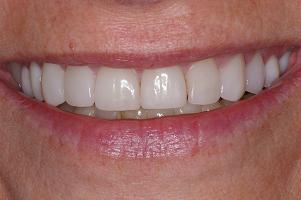
Those conversations made me realize how lucky we are to live in this country and have access to the medical and dental care available to us. Of course we have our problems with the economy and rising healthcare costs, but we also have the opportunity to get great care. If a person living in this country wants a great looking and healthy smile, then we can make that happen. Granted there are several variables or even barriers such as finances or time that can keep people from the smile they’ve always wanted, but the opportunity is there. And I appreciate the fact that I have access to great equipment, a wonderful lab, comprehensive continuing education, and a terrific staff that allows me the chance to create a smile they’ve always wanted (check out the smile below). That, to me, makes all worth it and makes me realize how fortunate we are.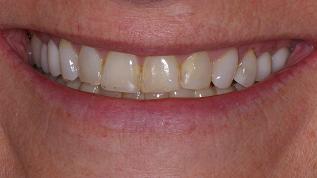
Who wants to look beautiful?
March 22, 2011
I realize that’s a silly question because most people want to look beautiful. We’ve been providing beautiful smiles for many years in our practice. But now my team and I can provide another level for you to rediscover your youthful appearance by smoothing out or filling in some fine lines and wrinkles. I’ve recently become certified to provide facial rejuvenation using Botox and dermal fillers.
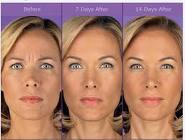
Botox® is a procedure which was developed to treat the visual signs of aging by reducing or removing wrinkles. It is considered a safe, effective way of treating aging skin. Common areas for injections include horizontal forehead furrows, vertical lines between the eyebrows and “crow’s feet” around the eyes. It has proven to be the best non-surgical form of facial rejuvenation and is capable of producing phenomenal improvements in your appearance.
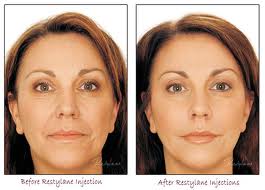
Also, as we age, our skin volume diminishes causing wrinkles and folds to form especially in the delicate facial skin. Juvéderm® or Restylane®, both dermal fillers, are made of a naturally occurring substance in our skin called hyaluronic acid. This substance simply restores your skin to its more youthful volume, smoothing wrinkles away. The ultra smooth consistency of Juvéderm® and Restylane® provide a more natural look and feel to help correct facial wrinkles such as the “parentheses” (line between your mouth & nose), “marionette lines” (the downward turn at the corners of the lips), and can plump your lips for a fuller look.
Here’s a couple examples of what can be done. The first example is how Botox can relax the upper facial muscles and smooth out the lines that develop as we age. The second is one that demonstrates how the folds between the nose and corners of the lips can be removed. The lips have also been slightly enhanced as well. Click on the thumbnail to see the full photo.
We still create beautiful smiles with porcelain veneers, crowns, and whitening. Now we can get the skin to look just as good and frame those beautiful smiles. So give us a call at 614-792-1800 and we can schedule a consultation to see what’s possible.
Those Crazy Kids
February 3, 2011
Although here in Ohio it looks like Siberia with all the ice and snow, it will be spring and summer someday soon. I’ll be chasing the little white ball around the course, but for many kids, the nice weather also means the opportunity for injury increases. We were all kids at one point jumping out of a tree, swinging on the monkey bars, fielding ground balls at third base, etc. Well we’re coming up on a time when we see more dental injuries as well. So I thought I’d discuss what to do if your child has the unfortunate luck of busting a lip or breaking a tooth.
My first piece of advice is to put your child in a plastic bubble and do not let them out of the house. If you cannot follow that advice, then read on. If your child cuts their lip or has a facial laceration, clean the wound and try to see how severe the injury is. If you can’t see the bottom of the cut, then it’s off to the professionals because it’s probably stitches time. If you can see the bottom of the cut then use a cool to cold compress and put pressure on the wound. If the bleeding persists for more than an hour, you need to see a dentist, oral surgeon, or ER doctor.
A injured tooth is a little more complicated. If the crown (the portion above the gums) is fractured, save the piece and see your dentist as soon as possible. While it’s unlikely it can be bonded back on, it is possible sometimes. It also gives the dentist a perspective of what it looked like before the fracture. If the crown and the root are fractured out of the mouth and in one piece, try to re-implant the root into the socket then call your dentist. If you cannot re-implant it or the socket is fractured, then place the tooth in one of the following mediums. Below is the order of things to put the tooth into based on the best prognosis of tooth survival.
1. The tooth socket
2. Hank’s solution (found in many first aid kits)
3. Milk
4. Saliva (place in the side of the cheek)
5. Water (not good for the survival of the root cells)
The key to a tooth surviving is keeping the little root cells alive so the will integrate with the socket bone. Notice that keeping it dry is not an option. If it is left dry, the cells die in minutes and re-implantion is next to impossible. You have about an hour in any of these mediums for a good prognosis.
So keep your dentist’s phone number in your wallet or purse so when those kids decide taking down the trampoline net was a good idea, you’ll be prepared.
Whitening-so many options
January 20, 2011
So lately, we’ve been getting a lot of questions from patients about improving their smile. I guess it’s the new year and the popular new year resolution is to improve one’s smile. One of the most conservative options is to whiten the existing teeth. And what I’ve found is that patients are sometimes confused on the many options that are out there. Everything from over-the-counter products to whitening procedures by your dentist to kiosks in the mall and at the spa.
First, let’s have a dental lesson and discuss how whitening works. Any of these products (at least the ones I know of) will have either hydrogen peroxide (different formulation from what’s in the bottle, so don’t swish with bottled hydrogen peroxide and expect white teeth) or carbamide peroxide. These come in gel form which allows it to stick to the tooth. The gel is put in a carrier and then applied to the teeth. The peroxide oxidizes the staining within the tooth and removes the color. It also dehydrates the teeth which can cause mild sensitivity, but as the teeth rehydrate the sensitivity will subside. There is no evidence that the whitening gel damages the teeth unless you are using it incorrectly.
Over-the-counter products range from Crest Whitestrips and Aquafresh trays to any sort of generic store-packaged products. The advantages to these things are they are cheap and are to be worn for less time each day. The disadvantages are that they usually do not cover all the teeth (usually the front six teeth), they do not have as strong of bleaching gels in them, and they do not get the in-between areas of the teeth, especially if you have any crowding or rotation of your teeth.
You’ll find these kiosks at the mall or in your local spa in which they will sit you in a chair and apply bleaching gel to your teeth. I don’t know a lot about these places, but I can say that are cheaper than going to your dentist to get your teeth whitened, but more expensive than the over-the-counter stuff. The issue I have with a place like this is that it’s an uncontrolled environment. They don’t take formal medical histories and don’t have any dental training to diagnose if whitening is even going to work (some teeth just don’t whiten very well). Plus from what I understand, some of the products used are not FDA approved. If you’re considering a place like that, talk to your dentist so he/she can at least give you some insight.
Obviously, I’m biased, but the best, long-term whitening results come from your dental office. We offer three procedures to whiten our patients teeth. The in-office whitening involves coming in for about an hour or so and we whiten your teeth while you sit in the chair. I usually recommend that if you have an event such as a wedding, reunion, or other life event when you need white teeth soon. We also sell a universal tray system that uses a stronger gel than the OTCs and covers the back teeth as well. The most popular procedure is to make custom bleaching trays. We take impressions of your teeth then you wear the trays usually overnight with the gel inside for a couple weeks. In my experience it gives you the best results that last the longest. Most patients whiten every one to three years. The trays get those tough in-between area and along the gum line better than any other products out there.
Sorry to be so long winded in this post, but hopefully that enlightens you a little on the whitening stuff that is out there. I’m always available for any questions, so please don’t hesitate to get in touch.
For the kids (and some of you adults as well)
December 8, 2010
You know how kids are. They are very inquisitive and have a lot of “why” questions. My 4 year old asked me the other day, “Why is the sky gray when it snows?” I joked that in Ohio it’s usually gray whether it snows or not. Anyway, I get a lot of kids who look me in the eye ask why they have a cavity. So I thought I like to be as scientific as I can with the kids. I tell them that there are tiny germs in their mouth that they can’t see. These germs love the foods that we love and eat the sugars from those foods. Now this is where it gets scientific; I tell them the germs poop out acid and this acid then causes holes or cavities in their teeth.
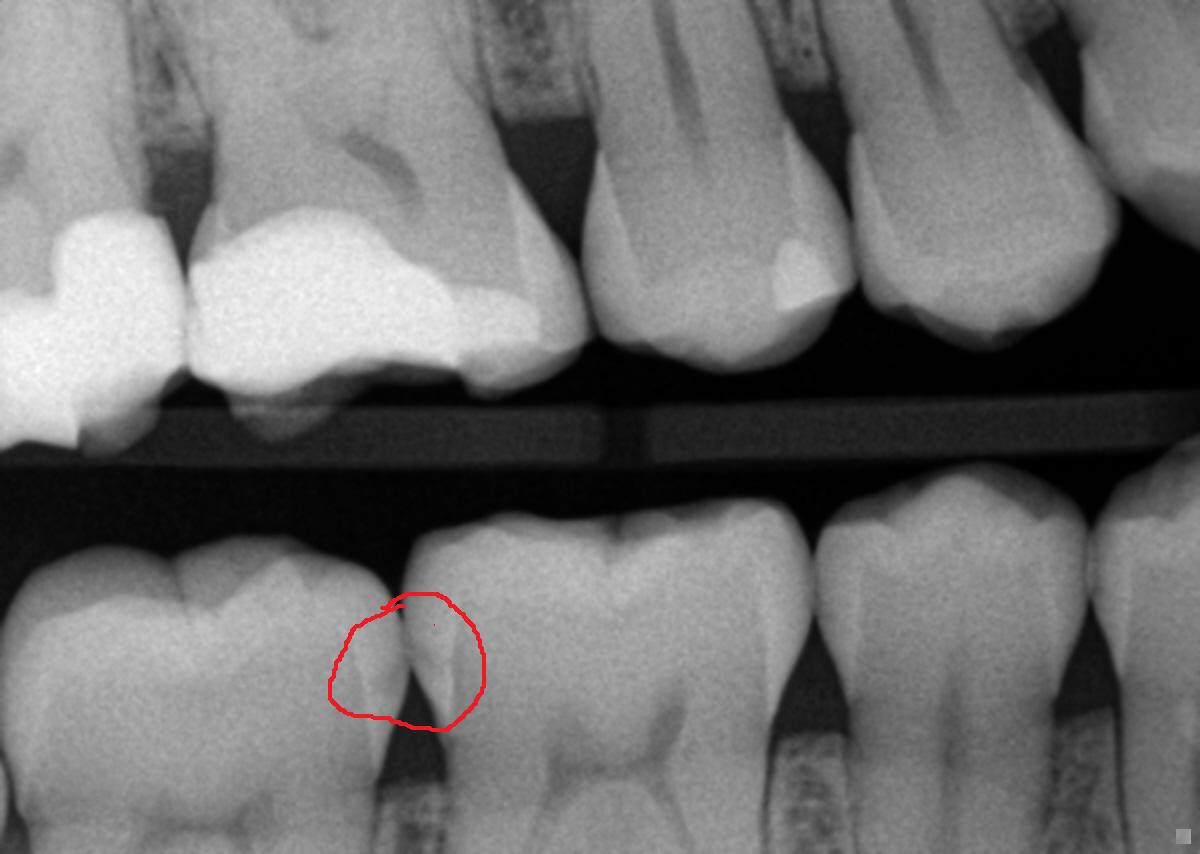
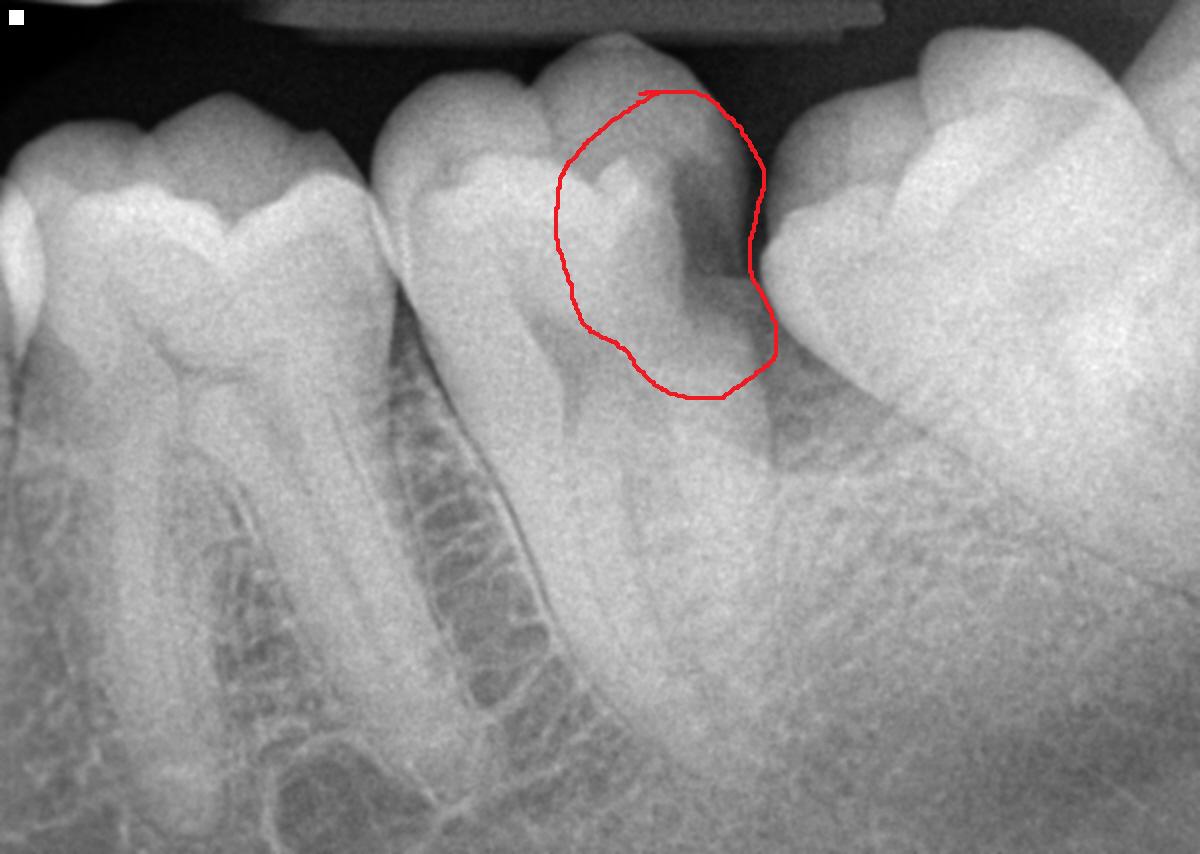
Obviously there is more scientific and dental verbage that can be used here, but that is the summary of what causes a cavity. Our mouths are dirty places and there are some nasty bugs in there. Some are known to cause cavities, others are known to cause gum and bone disease and some have been found to cause heart disease and/stroke (please refer to our previous blog entry about periodontal disease). The sugars and carbohydrates (chips, fries, bread, etc.) provide food for the bacteria and they also create a sticky matrix on the tooth that the bacteria can adhere. Most small cavities cause no symptoms. This is why you should see your dentist at least twice a year so we can detect these visually and radiographically. When you start noticing sweet or cold sensitivity, the cavitation is deeper in the tooth and the nerve is detecting those acids and temperature changes. The next step is the bacteria get so deep they enter the nerve chamber then it’s root canal time because the tooth hurts and the nerve within the root is now infected. So keep those preventative exam and hygiene appointments so we can catch those little cavities early. As you can see in the first x-ray, the dark area (aka the cavity) is shallow and the patient was having no symptoms. The second photo shows a cavity in the nerve and the patient said it was more painful than giving birth.
Giving Thanks!
November 22, 2010
So the holiday season is upon us and just like you, I can’t believe it came so fast. Seems like yesterday that I was struggling to hit that little white ball down the fairway or in the cup. No clinical dental talk in this posting. I just wanted to write and declare my appreciation and thanks to the wonderful staff and patients that we have here at our office. This practice has given me the opportunity to improve not just my professional career, but the lives of myself and my family.
When I bought this practice almost two years ago (wow, it’s gone so fast), the Drs. Davis and Garvey said that I would really like the staff. With some obvious trepidation, I nodded and went to meet them. From the very first “Hello”, they have treated me with kindness and respect. They are hard workers who really demonstrate their caring for our patients every day. They are creative and knowledgeable with the ability to have an intelligent dental conversation with myself or any of our patients. And without them, my ability to provide dental care would be very difficult.
I really appreciate our patients as well. I realize how hard it is to change healthcare providers especially someone you’ve seen for many years. Since my purchase of the practice, our patients have welcomed me and given me the opportunity to gain their trust. Even when I bear bad news about a diseased tooth, they have listened and trusted my professional opinion. I enjoy coming to the office each day with the possibility of making someone more healthy or even changing their lives with dramatic improvements to their smile.
I feel very blessed to be in the place I am both personally and professionally. I hope you all feel the same way during this holiday season. Enjoy your family and friends and have a great holiday!